
Tour Bus Etiquette and Bus Rules: How to Live Well on a Shared Coach
Tour bus etiquette is the set of unwritten and written rules that let 8 to 14 people share a 45-foot entertainer coach for weeks without friction, mess, or safety problems. Some rules come from the coach company's rental contract. Others come from decades of touring habit passed from veteran crew to first-timers. The…
Knights Coaches
Knights Coaches
- Published
- Reading time
- 9 min read
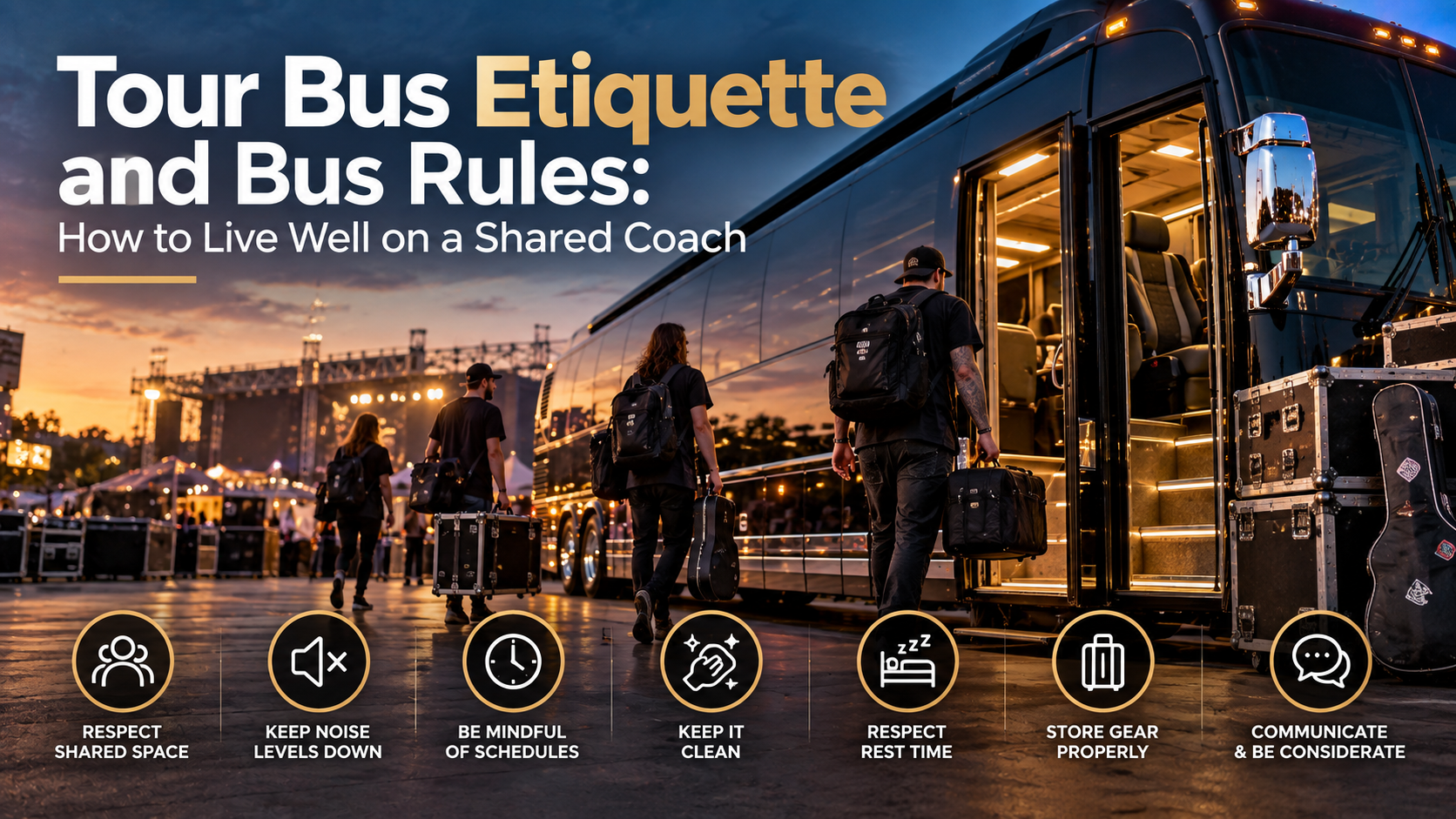
Tour bus etiquette is the set of unwritten and written rules that let 8 to 14 people share a 45-foot entertainer coach for weeks without friction, mess, or safety problems. Some rules come from the coach company's rental contract. Others come from decades of touring habit passed from veteran crew to first-timers.
The core rules are short. No solid waste in the toilet. Closed bunk curtain means do not disturb. The driver outranks everyone on safety. Clean up after yourself immediately. A Prevost H3-45 or X3-45 entertainer coach packs a front lounge, galley, bathroom, 12 bunks, and a rear lounge into roughly 300 square feet of interior, so one careless person affects everyone.
The rules connect to real entities. The driver works under Federal Motor Carrier Safety Administration (FMCSA) hours of service limits and sleeps during the day. The coach company's contract covers smoking bans, damage fees, and cleaning charges. The tour manager enforces house rules and approves guests.
This guide covers why bus rules exist, how to treat the driver, bathroom and bunk etiquette, lounge customs, noise, kitchen and fridge habits, cleanliness, guests, smoking and alcohol, safety while moving, and how to thank the driver at the end of a run.
Why Bus Rules Exist
Bus rules exist because the coach is three things at once: a vehicle, a hotel, and an office. Each role brings its own pressure. Vehicle rules keep people safe at 65 mph. Hotel rules keep sleep possible. Office rules keep the tour on schedule.
Money matters too. Coach contracts commonly bill for smoke damage, broken fixtures, stained upholstery, and extra cleaning. A single cigarette in a bunk can cost the tour a deep-clean fee and an unhappy coach company. So etiquette isn't about manners alone. It protects the budget.
The Driver Is in Charge of Safety
Drivers hold final authority on anything involving safety. If the driver says the coach doesn't move until someone sits down, it doesn't move. If the driver refuses a route because of low clearance, the route changes.
Respect shows up in small ways:
Keep the cockpit area clear and don't chat with the driver during tricky city driving.
Stay quiet near the driver's hotel or day room, since he sleeps while you're awake.
Report any rattle, smell, leak, or warning light the moment you notice it.
Ask before touching generator, slide-out, or climate controls.
A good driver makes the whole tour easier. Treating that person well is the smartest investment a touring party can make.
The Bathroom Rule
Bathroom etiquette has one famous rule: liquids only. Solid waste doesn't go in a tour bus toilet, and on many coaches neither does toilet paper, which goes in a lined bin instead. The holding tank is small, the plumbing has tight bends, and the tank may not get dumped for a day or more.
Use venue, hotel, and truck stop bathrooms for everything else. Plan for it the way you'd plan for fuel stops. The full explanation, including why the rule exists and what happens when someone breaks it, deserves its own discussion.
Bunk Etiquette
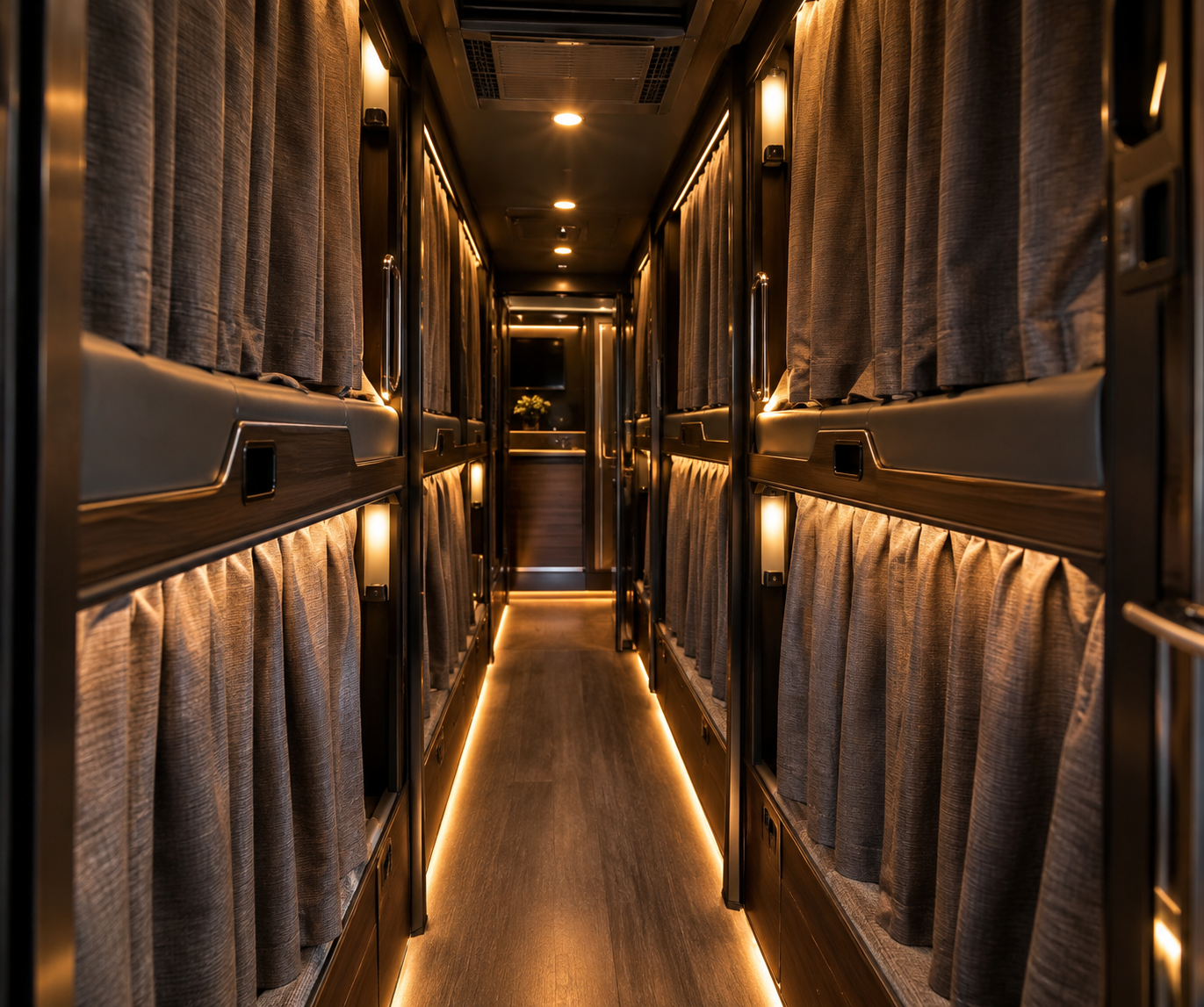
Bunks are private space. That's the one area on the bus that belongs to one person, and touring culture guards it closely.
Closed curtain means the person inside is sleeping or wants privacy. Don't talk to them unless it's urgent.
Assigned bunks stay assigned for the whole tour. Don't borrow one for a nap without asking.
Junk bunks hold luggage and gear when a bus has spare beds. Keep them organized so others can reach their bags.
Food stays out of bunks. Crumbs attract bugs and grease stains bedding.
Veteran crew also sleep feet toward the front of the bus. That habit protects the head and neck if the driver brakes hard.
Front Lounge and Back Lounge Customs
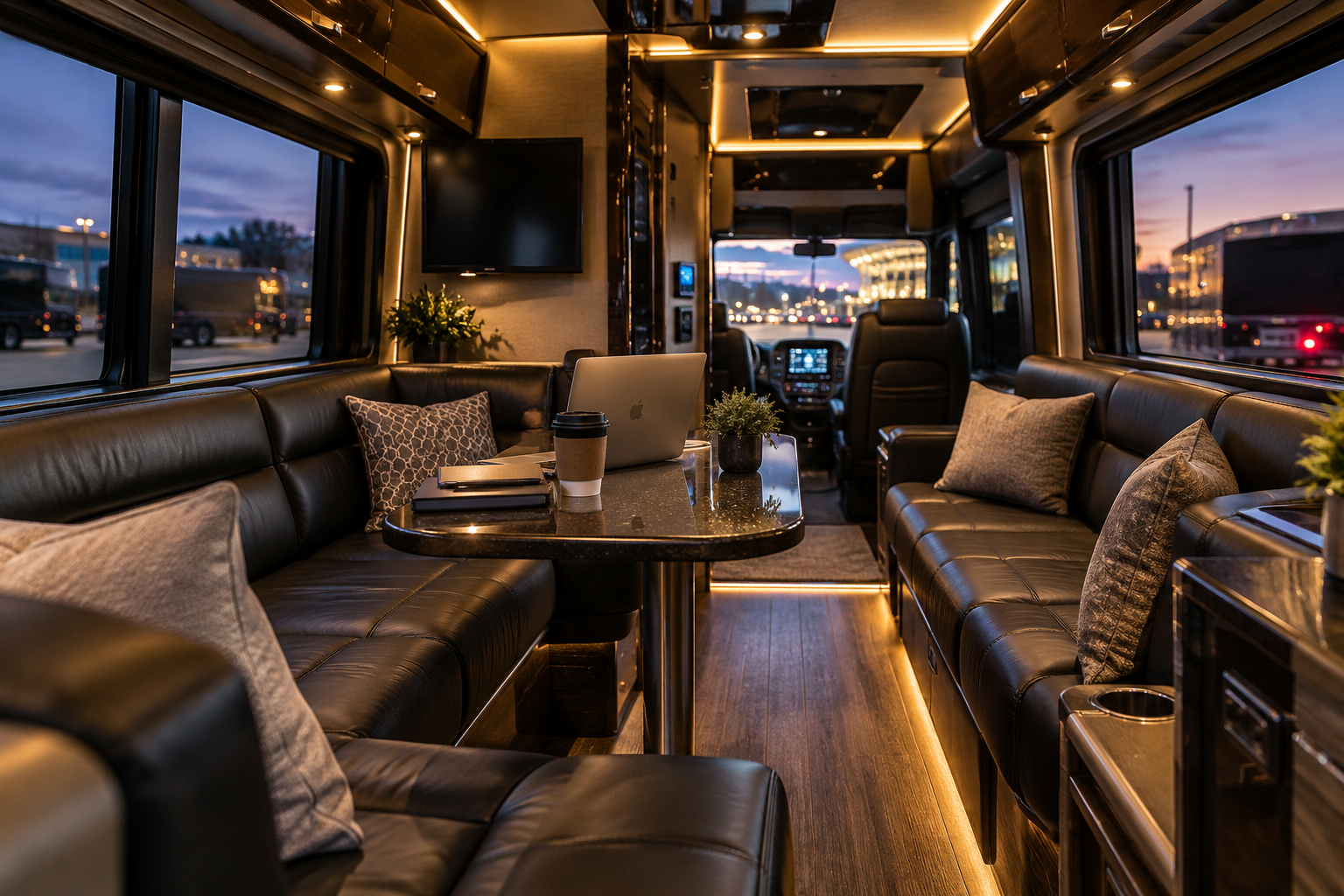
Lounges carry different social rules. The front lounge sits near the door and galley. It's the social room: meals, card games, laptop work, and conversation. The rear lounge sits behind the bunk hallway and often works as a quieter space, a meeting room, or the artist's private area.
Ask before claiming the back lounge. On some tours, it's shared. On others, the headliner or the tour manager uses it as an office. Walking in uninvited during a private call is an easy way to start a bad week.
Noise and Quiet Hours
Noise rules exist because people sleep on different schedules. The lighting tech might crash at 3:00 AM after load-out while the bass player wakes at 9:00 AM for press. Both need rest.
Use headphones for music, videos, and games. Keep phone calls short in the hallway. Doors on buses are thin, and sound travels straight through bunk curtains. When the bus parks at a venue during the day, assume somebody is still asleep.
Kitchen and Fridge Rules
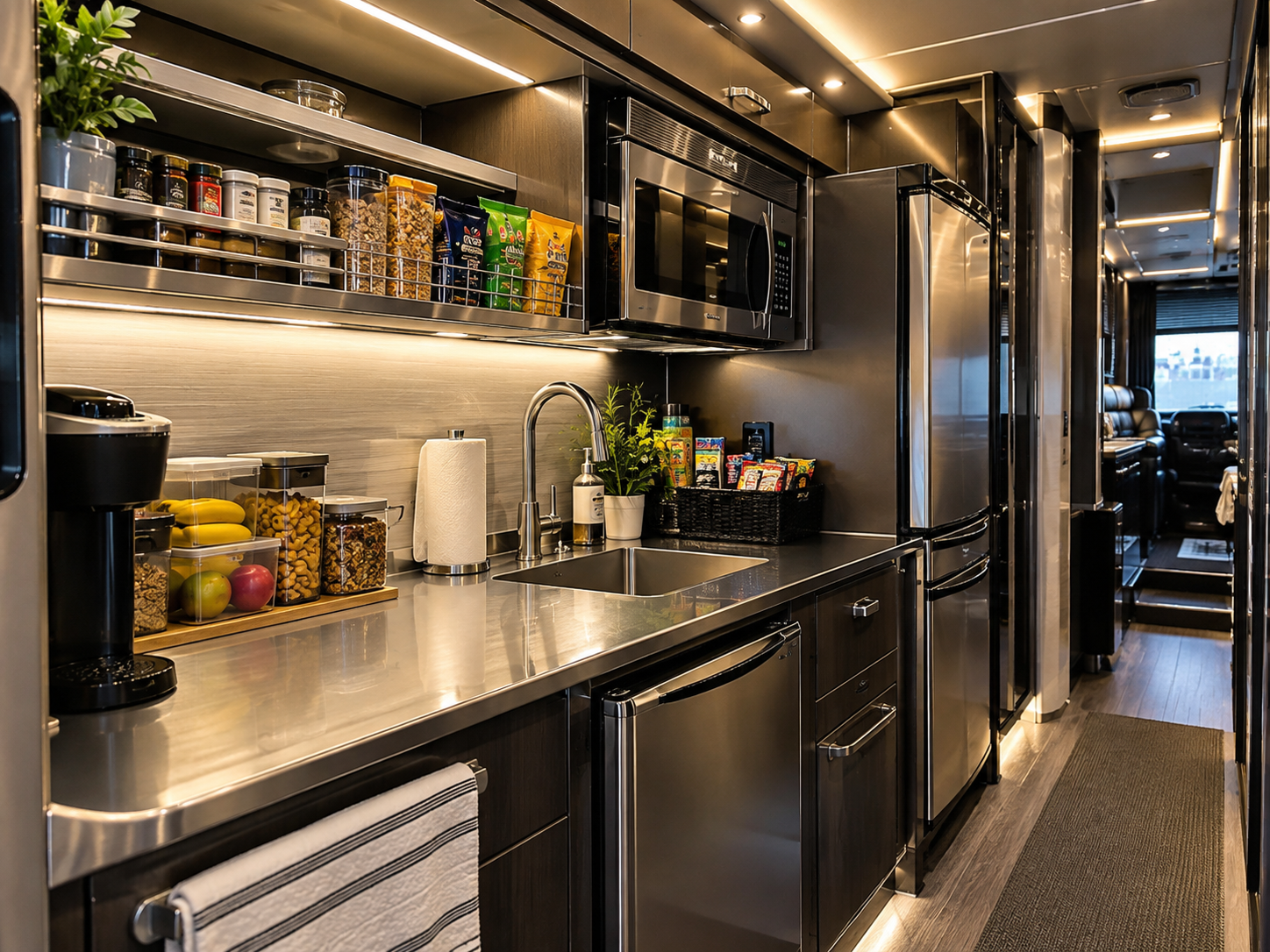
Galley space is tiny, so habits matter. Label your food with your name. Don't eat someone else's leftovers. Wash dishes right away or don't use them. Wipe the counter after every use.
Strong smells travel through the whole coach. Fish, microwave popcorn, and heavy curries tend to linger for hours in a sealed bus. Many tours ask people to eat those at catering instead. Empty the trash at every stop, since the bin fills fast with 12 people aboard.
Cleanliness and Personal Space
Cleanliness keeps the bus livable. Hang wet towels to dry rather than tossing them in a bunk. Take laundry to the venue or a hotel instead of letting it pile up. Keep shoes near the door if the coach has a shoes-off rule, which many do to protect carpet.
Personal space follows a simple test: if it isn't yours, don't move it. Gear, chargers, and snacks belong to specific people. When everyone shares about 300 square feet, ownership boundaries matter more than they do anywhere else.
Guests on the Bus
Guest rules come from the tour manager and the coach contract. Most tours require approval before anyone who isn't on the touring party boards. Some ban guests during overnight drives entirely.
The reasons are practical. Insurance and liability assume a known passenger list. Security matters when an artist is aboard. And guests don't know the bathroom rule. If a guest is approved, the host explains the rules and makes sure the guest leaves before the coach rolls.
Smoking, Vaping, Alcohol, and Open Flames
Smoking and vaping inside the coach are banned by nearly every coach company. Smoke soaks into fabric, sets off detectors, and triggers cleaning charges. Step outside, away from the door and the generator exhaust.
Open flames are off limits too. No candles, no incense, no lighters in bunks. Alcohol is usually allowed for passengers, but spills and messes are on the person who made them. Illegal drugs can end a coach contract immediately, since they put the carrier's operating authority and the driver's license at risk.
Safety While the Bus Is Moving
Movement changes the rules. A coach can brake hard, swerve, or hit a pothole without warning. So:
Sit down in a seat with a belt when one is available.
Hold a handrail when walking through the hallway.
Avoid standing in the stairwell or near the entry door.
Close cabinets, the fridge, and the bathroom door before the bus rolls.
Stow loose items like laptops and guitars so they can't fly forward.
Never open the door while the coach is moving. And if the driver asks everyone to sit for a tight maneuver, sit.
Thanking the Driver
Thanking the driver is part of the culture. Tours commonly tip at the end of the run, and the tour manager usually collects from the band and crew. Small gestures count during the tour as well: bringing the driver a plate from catering, keeping the bus tidy, and being on time for departure.
Drivers remember tours that treated them well. They also talk to each other.
Rules for the First Day on the Bus
The first load sets the tone for the whole tour. A few habits help new riders start well:
Listen to the driver's walkthrough of exits, bathroom rules, bunk controls, and the generator.
Claim only your assigned bunk and one bay slot for luggage.
Unpack the minimum, since space fills fast once 12 people move in.
Ask the tour manager about house rules on guests, lounges, and quiet hours.
Veterans notice who pays attention on day one. It shapes how the rest of the run goes.
How Knights Coaches Sets Up a Bus for a Smooth Tour
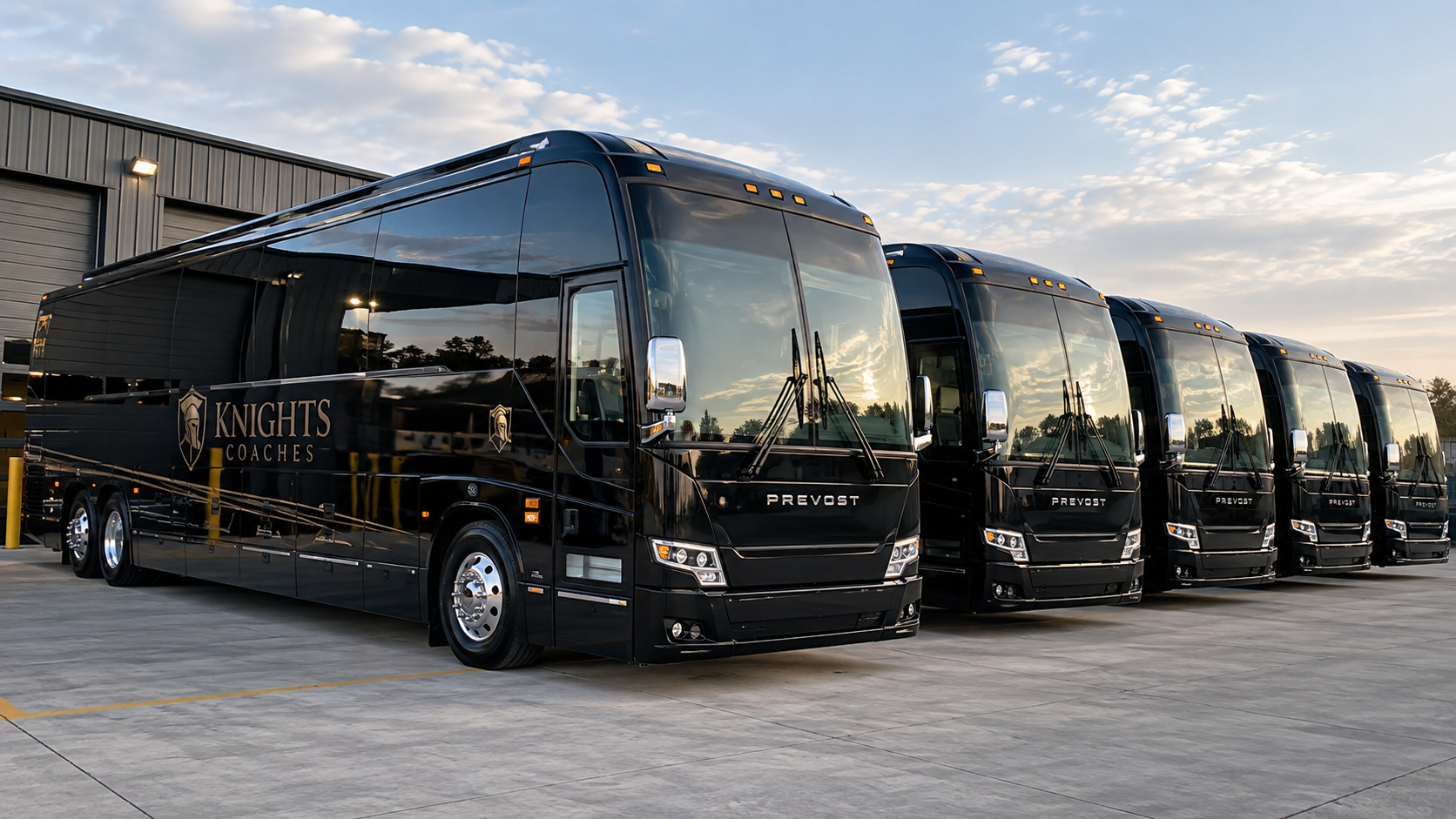
Knights Coaches runs a fleet of more than 20 Prevost H3-45 and X3-45 entertainer coaches with 12 bunks, full galleys, private rear lounges, and onboard showers. Each booking includes a CDL driver with at least three years on entertainer coaches, plus 24/7 dispatch from its Nashville base.
Drivers brief the touring party on bus rules at the first load, which saves the tour manager from repeating them. Artists and managers can compare floor plans on the Knights Coaches entertainer coach page.
What is the most important tour bus rule?
The most important rule is no solid waste in the toilet. Close behind: respect closed bunk curtains and follow the driver's safety instructions.
Can you poop on a tour bus?
No. The tank and plumbing handle liquids only, so use venue, hotel, or truck stop bathrooms instead.
What does a closed bunk curtain mean?
A closed curtain means the person is sleeping or wants privacy. Don't disturb them unless there's an emergency.
Can you bring guests on a tour bus?
Only with approval from the tour manager. Many tours ban guests during overnight drives for insurance and security reasons.
Is smoking allowed on a tour bus?
No. Nearly every coach company bans smoking and vaping inside, and violations bring cleaning fees.
Which lounge is for socializing, front or back?
The front lounge is the social space, while the back lounge is often quieter or reserved for the artist or tour manager.
Which foods should you avoid cooking on a tour bus?
Avoid fish, microwave popcorn, and strongly spiced dishes, since smells linger in a sealed coach.
How should you sleep in a tour bus bunk?
Sleep with your feet toward the front of the bus. It protects your head and neck during hard braking.
Should you tip the tour bus driver?
Yes. Tours usually collect a tip for the driver at the end of the run, often organized by the tour manager.
Can you walk around while the bus is moving?
Yes, carefully. Hold handrails, stay out of the stairwell, and sit when the driver asks.
Who enforces bus rules on tour?
The tour manager enforces house rules, while the driver has final say on anything involving safety.
What should new riders do on their first day on a tour bus?
New riders should listen to the driver's walkthrough, claim only their assigned bunk, and ask about house rules before settling in.
Conclusion
Tour bus etiquette keeps 8 to 14 people living well on a shared 45-foot entertainer coach. The rules exist to protect safety, sleep, and the budget. Drivers hold authority on safety, and the bathroom rule stays liquids only. Closed bunk curtains mean do not disturb, the front lounge handles social time, and headphones keep noise down. Labeled food, quick cleanup, approved guests, and no smoking or open flames keep the bus livable. Safe habits while moving and a proper thank-you to the driver round out a good tour.
Want a coach and driver that make bus life easy from day one? Book with Knights Coaches for a Prevost coach, a veteran CDL driver, and 24/7 dispatch.